


Views: 0 Author: Site Editor Publish Time: 2026-06-27 Origin: Site


Procurement teams often face serious confusion when sourcing printing supplies. Many suppliers use the terms "PET film" and "DTF film" interchangeably. This exact confusion leads to costly purchasing errors. It causes prolonged production downtime and ruined fabric batches. You need to understand the core misconception right away. Polyethylene Terephthalate (PET) serves as the base thermoplastic material. In contrast, Direct-to-Film (DTF) represents a highly engineered application. It features highly specific chemical coatings applied directly to the PET. Choosing the right film requires a deeper look into product specifications. You must understand coating structures and printer compatibility. Thermal release properties play a massive role in final print quality. Simply looking at the base material will not suffice. We will guide you through the vital structural differences. You will explore key evaluation metrics and common implementation risks. By the end, you will learn exactly how to match the right engineered film to your specific printing setup.
All DTF films are made of PET, but not all PET films are suitable for DTF printing.
Standard inkjet PET film lacks the specialized ink-absorbing and thermal-release coatings required for heat transfers.
Using incompatible films (like eco-solvent clear inkjet film) in a DTF setup results in ink pooling, roller slip, and complete transfer failure.
Evaluating DTF film requires looking past the base material to assess coating thickness, peel temperature (hot vs. cold), and static resistance.
Engineers define Polyethylene Terephthalate as a highly durable plastic. It acts as a resilient thermoplastic substrate. Thousands of global industries rely on it daily. They use it for food packaging, electronics, and textiles. The raw plastic offers excellent dimensional stability. It resists tearing under extreme mechanical stress. It survives moderate heat exposure without melting. However, raw plastic presents a major limitation for apparel printing. It cannot absorb liquid water-based textile inks. The liquid simply beads up on the bare surface.
To solve this, manufacturers created DTF film. They take the raw plastic roll and transform it completely. The factory applies multiple microscopic coatings to the plastic base. The first layer acts as an ink-receptive primer. Chemists formulate this layer specifically for water-based pigment inks. It grabs the wet ink and holds it firmly in place. The second layer functions as a thermal release agent. This engineered surface performs a critical job during production. It holds the hot-melt adhesive powder during the initial oven curing. Later, it releases the entire cured design. It drops the graphic onto the fabric during the final heat press.
Many printing teams fall into a common procurement trap. They buy raw or poorly coated generic plastics. Unverified suppliers often market these basic sheets to apparel decorators. These substandard alternatives lack strict factory quality control. They almost always fail under high-temperature pressing. The ink may run, or the plastic may melt. You must rigorously verify the exact coating formulation. Do this before buying any large bulk shipments.
We must carefully distinguish between different commercial film formulations. Print operators often use standard Inkjet PET Film for entirely different industrial applications. Common uses include screen printing positives. Studios also use them for backlit commercial displays. Engineers design these specific materials to hold standard dye inks permanently. They do not release the ink under any circumstances. The coating locks the pigments into the plastic forever. If you try pressing them onto a cotton shirt, they will fail. The graphic will stay glued to the plastic backing. You will ruin the garment completely.
Consider another highly specialized variant. An Eco-solvent clear inkjet film targets harsh chemical solvent inks. Print shops utilize them heavily for outdoor signage. They produce durable vehicle decals and weatherproof banners. Their chemical coating aggressively resists weathering and UV fading. This tough chemical nature makes them fundamentally incompatible with DTF mechanics. They cannot process hot-melt powder adhesion. They cannot survive the intense pressure of a heat press. The solvent-ready coating will crack or scorch under industrial heat.
The primary structural difference lies strictly in the release layer. Engineered DTF materials contain a specialized thermal release coating. It sits precisely between the bare plastic backing and the wet ink. Heat activates this micro-layer during the final transfer stage. It allows the cured ink layer to separate cleanly. The melted adhesive powder pulls the ink away from the plastic. The fabric receives the complete transfer without any tearing. No sticky residue remains on the carrier sheet.
Film Type | Primary Ink Compatibility | Heat Press Capability | Surface Coating Function |
|---|---|---|---|
Standard Inkjet PET | Dye / Pigment (Aqueous) | None (Melts or fuses) | Permanent ink absorption |
Eco-Solvent Clear | Heavy Solvent / Eco-Solvent | None (Scorches) | Weather & UV resistance |
DTF Transfer | Water-based Textile Pigment | Excellent (Clean separation) | Thermal release & powder adhesion |
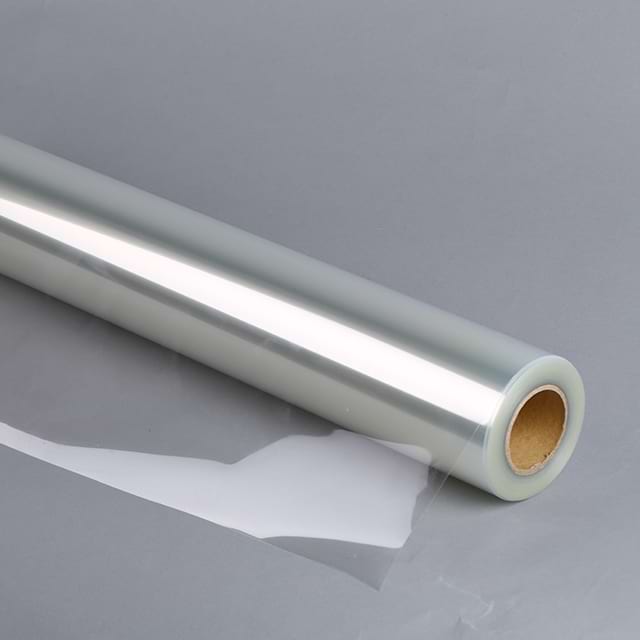
Evaluating commercial rolls requires precise performance metrics. You must look closely at material thickness. You must verify coating placement and review thermal peel specifications.
75-micron: This thinner profile proves highly cost-effective. We strongly recommend it for continuous roll-to-roll printing setups. However, operators must monitor curing temperatures carefully. The thinner plastic remains prone to edge warping under intense heat.
100-micron: This thicker formulation provides much higher thermal stability. It easily supports heavy white ink loads. It resists buckling inside the curing tunnel. This rigidity helps operators avoid catastrophic printhead strikes.
Single-Sided: These rolls cost less to manufacture. The manufacturer coats only the printing side. However, the slick back side causes frequent feeding problems. It often leads to immediate misfeeds in desktop printers. The printer rollers slide against the glossy plastic.
Double-Sided: Engineers add a rough matte coating to the back side. This provides the necessary friction for printer pickup rollers. It guarantees smooth, continuous media feeding. It also drastically reduces static electricity buildup across the roll.
You must map the film peel type directly to your production speed. Hot peel materials accelerate high-volume factory output. Operators peel the plastic backing immediately after the heat press opens. This saves valuable seconds per garment. Cold peel materials require a dedicated cooling period. The operator sets the shirt aside to reach room temperature. This slower method offers higher detail retention. It preserves intricate edges for complex, premium apparel designs.
Peel Category | Wait Time After Press | Best Use Case | Detail Retention |
|---|---|---|---|
Hot Peel | 0 - 2 Seconds | High-speed bulk apparel runs | Good |
Warm Peel | 5 - 10 Seconds | Mixed batch processing | Very Good |
Cold Peel | Until fully cool to touch | Premium retail, intricate logos | Excellent |
Choosing an incorrect film formulation introduces severe operational risks. Let us examine exactly what goes wrong during production.
Ink Pooling and Bleeding: Standard plastics cannot absorb heavy liquid ink volumes. DTF printing requires a massive laydown of white ink. If the ink-absorbing layer is too thin, disaster strikes. The liquid ink pools rapidly on the surface. The bright CMYK colors bleed directly into the white underbase. This destroys image sharpness before the film reaches the oven.
Static Build-Up: Constant friction generates static electricity inside the printer chassis. Improper matte coatings fail to dissipate this electrical charge. Consequently, the dry adhesive powder sticks everywhere. It clings to unprinted areas of the plastic sheet. The heat press then melts this stray powder onto the fabric. This leaves a rough, gritty residue around your final design.
Registration Drift: Intense heat exposes cheap substrate weaknesses. Low-grade plastic shrinks unpredictably inside the curing oven. This thermal contraction causes a severe alignment failure. The white ink underbase shifts away from the CMYK color layer. You will see a harsh white outline creeping out from your graphic.
Wash Fastness Failures: A poorly formulated release coating ruins long-term durability. It fails to let go of the ink completely. It traps microscopic ink remnants on the plastic carrier during pressing. The garment receives a fragile, incomplete transfer. Your customers will experience cracked and faded prints. They will notice severe degradation after only a few laundry cycles.
Common Mistakes: Never ignore the static resistance rating. Operators frequently blame the adhesive powder for gritty transfers. They adjust powder shakers unnecessarily. The actual culprit is usually a cheap film holding a massive static charge.
Best Practices: Always maintain a controlled humidity environment. Keep your print room exactly between 50% and 60% relative humidity. Proper humidity works perfectly alongside high-quality double-sided matte materials. This combination eliminates static cling completely.
You need a highly structured approach to material selection. Follow this logical pilot testing protocol. It will ensure absolute compatibility with your hardware.
Step 1: Audit Printer Mechanics. Inspect your printer paper feed mechanism closely. Do your pinch rollers require the heavy traction of double-sided frosted materials? Smaller desktop models generally fail to grip single-sided glossy backings. Large industrial machines utilize heavy vacuum beds. They handle thinner, slicker materials much more easily.
Step 2: Match to Curing Equipment. Ensure the plastic thickness matches your oven heat output. High-heat tunnel dryers typically demand rigid 100μ rolls. Thinner options will quickly buckle and jam the dryer belt. Check your oven documentation for optimal material tolerances.
Step 3: Define Output Requirements. Choose thermal peel types based strictly on operator workflow. Fast turnaround schedules require instant hot peel solutions. High-end premium apparel textures benefit greatly from cold peel processes. Cold peel locks the adhesive deeply into the fabric fibers.
After completing your hardware audit, initiate a pilot testing protocol. We strongly recommend buying a single small sample roll first. Test it thoroughly for powder release consistency. Watch closely for any static cling around fine design details. Press a test shirt and run a rigorous 10-cycle wash test. Follow standard wash testing guidelines if possible. You must verify actual physical durability. Never commit to a massive bulk pallet without physical testing.
Polyethylene Terephthalate acts merely as the blank canvas. The engineered Direct-to-Film chemistry dictates the actual transfer performance. Buyers must stop searching for generic material terms online. You should start evaluating printing supplies based on exact technical merits. Look closely at coating layers, micron thickness, and machine compatibility. The right engineered substrate prevents daily production headaches. It stops ink bleeding before it starts. It eliminates static dust completely. It guarantees vibrant colors on every garment.
Stop risking your garment quality on unverified, generic materials. Request detailed technical data sheets from your suppliers today. Order a small sample pack of properly engineered materials. Test them rigorously against your current hardware setup. You will immediately see a massive improvement in workflow stability.
A: No. Regular inkjet film lacks the heat-resistant release coating. The ink will either pool and run off, or permanently fuse to the plastic during the heat press stage.
A: No. UV DTF uses UV-curable inks and an A/B film lamination process to create hard-surface decals. Textile DTF uses water-based inks, adhesive powder, and a single heat-transfer film.
A: This usually happens with single-sided glossy PET film. The printer's friction rollers cannot grip the smooth plastic. Switching to a double-sided matte or frosted film resolves this problem instantly.
A: No. The film is completely removed. The "hand feel" of the shirt is dictated by the ink volume, the type of adhesive powder used, and the fabric composition, not the PET carrier.


